Linear Periodization 101: A practical framework for program design
Available in:
EN
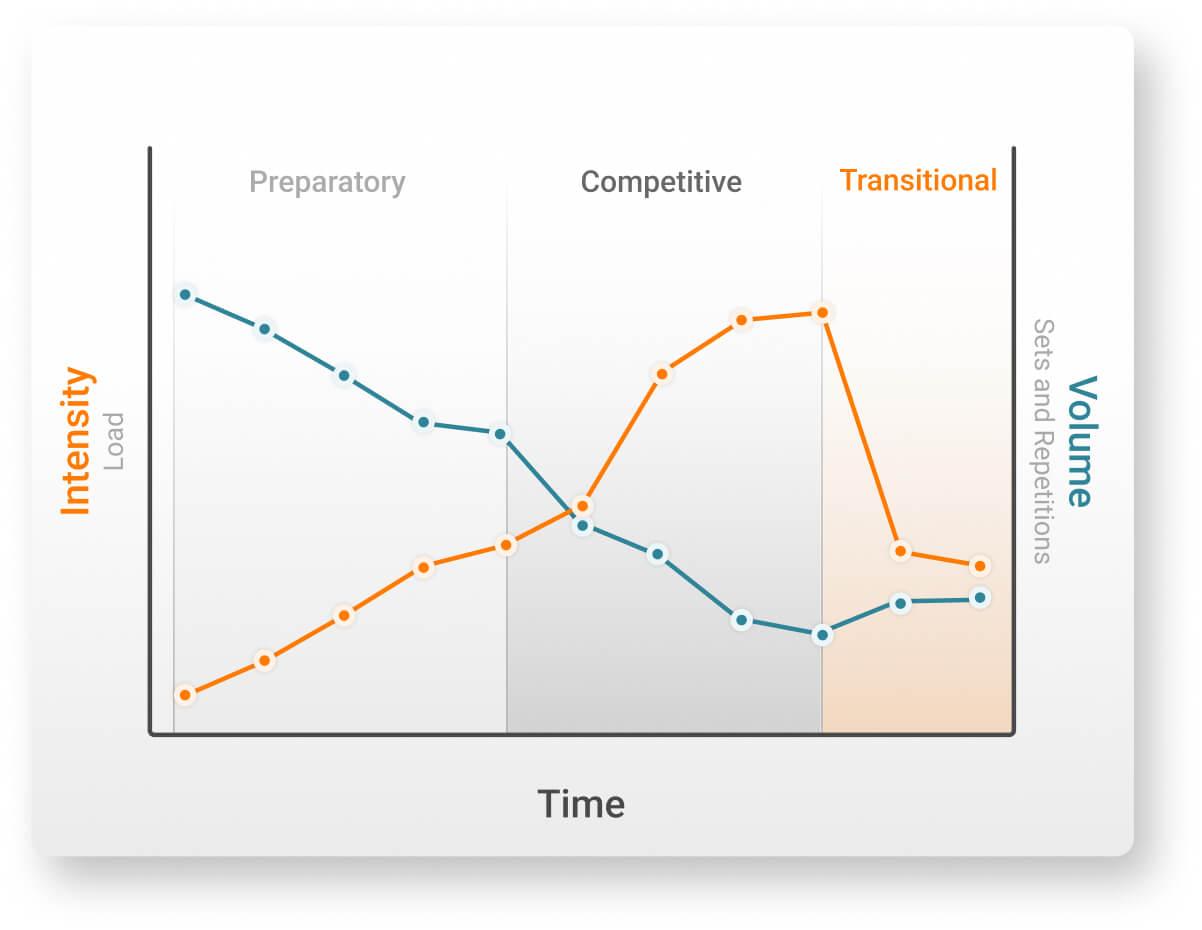
Linear periodization is one of the most common forms of programming due to its intuitive nature and ease of application. Based on the traditional periodization model formalized by Soviet sport scientist Lev Matveyev, linear periodization is characterized by progressive increases in training intensity, typically through higher loads, alongside corresponding decreases in training volume (Issurin, 2008).
Its simplicity has since made it a common approach for practitioners working across general population training, youth athletic development and rehabilitation.
How Linear Periodization Is Structured
Linear periodization is commonly divided into three phases:
- Preparatory Phase: Accumulates higher training volume at lower intensities to build the athlete’s capacity and familiarity with the training interventions, typically during periods like the offseason and preseason.
- Competitive Phase: Reduces volume, keeps intensity high and narrows the focus to a select adaptation, typically while the athlete is peaking for a competition or training goal.
- Transitional Phase: Provides recovery before the next cycle begins and is typically considered a deload period.
Practitioners using online training and coaching platforms, such as BridgeAthletic, can support unique training phases by organizing long-term training plans through features like the Annual Planner. With this feature, practitioners can see day-to-day, week-to-week and phase-to-phase changes to support intuitive and safe programming. Practitioners can also save time by using previously saved template phases when building similar programs instead of starting from scratch.
Principles Behind the Model
Three established training principles explain the physiology behind linear periodization:
- Accommodation
- General adaptation syndrome
- Tapering

Accommodation
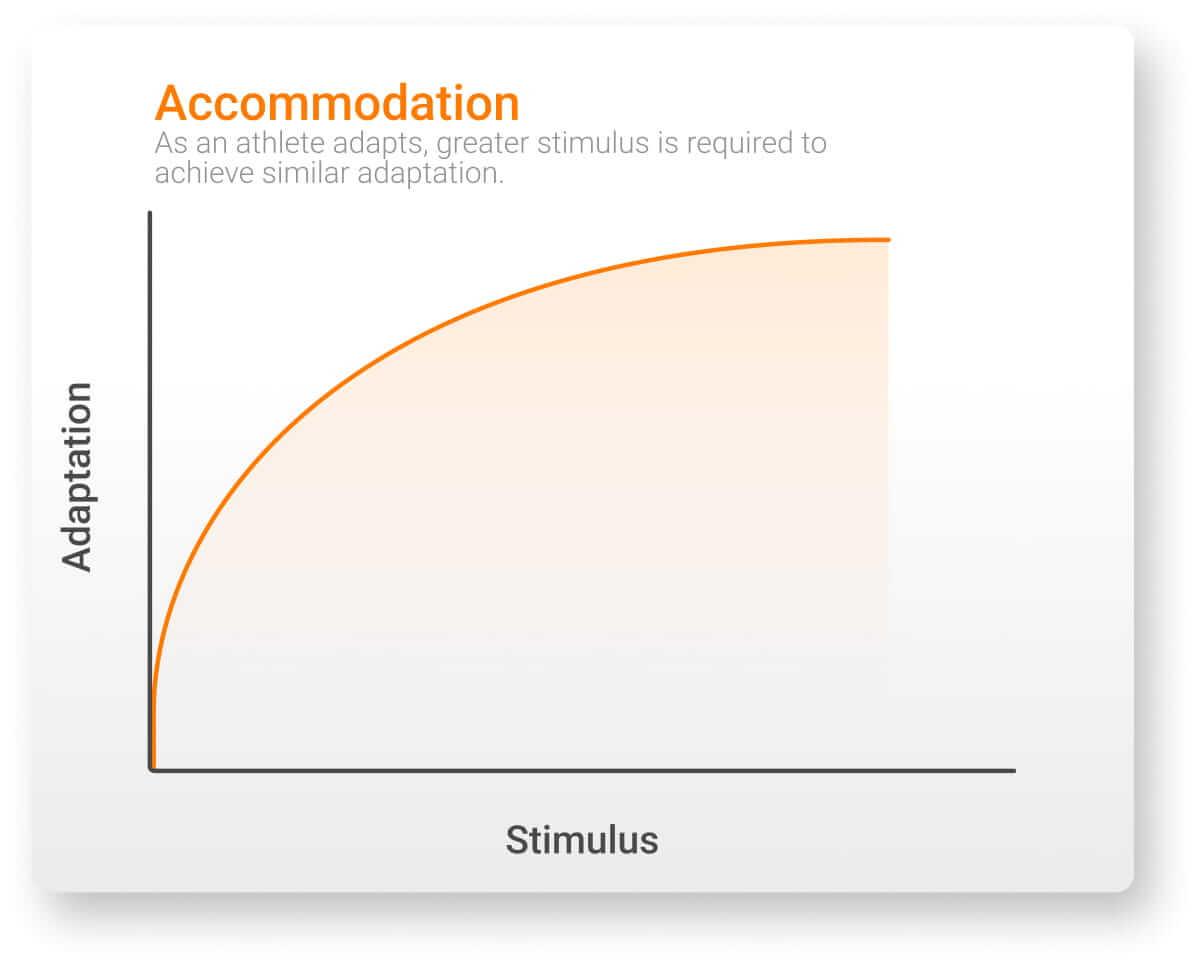
The law of accommodation describes the diminishing response that occurs when the same training stimulus is repeatedly applied (Zatsiorsky et al., 2021). As an athlete adapts, continued progress requires changes in variables such as volume, intensity or exercise selection.
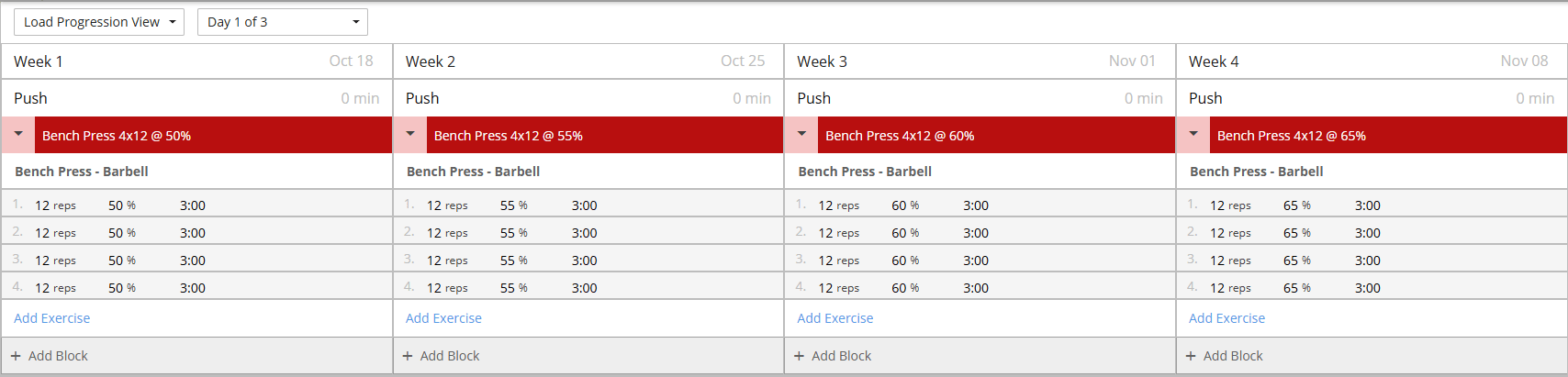
Linear periodization applies this principle through planned changes across a training phase. For practitioners using platforms like BridgeAthletic, Load Progression View displays the same training day across each week, allowing them to review how the prescribed stimulus progresses over time. Practitioners can also make edits across an entire phase in BridgeAthletic to adjust training variables as an athlete’s needs evolve throughout a linear periodization program.
General Adaptation Syndrome
General adaptation syndrome describes the body’s response to stress, such as a training stimulus, through stages of alarm, resistance and exhaustion. Subsequent responses, including supercompensation or detraining, depend on the timing and magnitude of further training stimuli. Effective programming therefore requires sufficient training stress to drive adaptation while providing opportunities for recovery (Bompa & Buzzichelli, 2019).
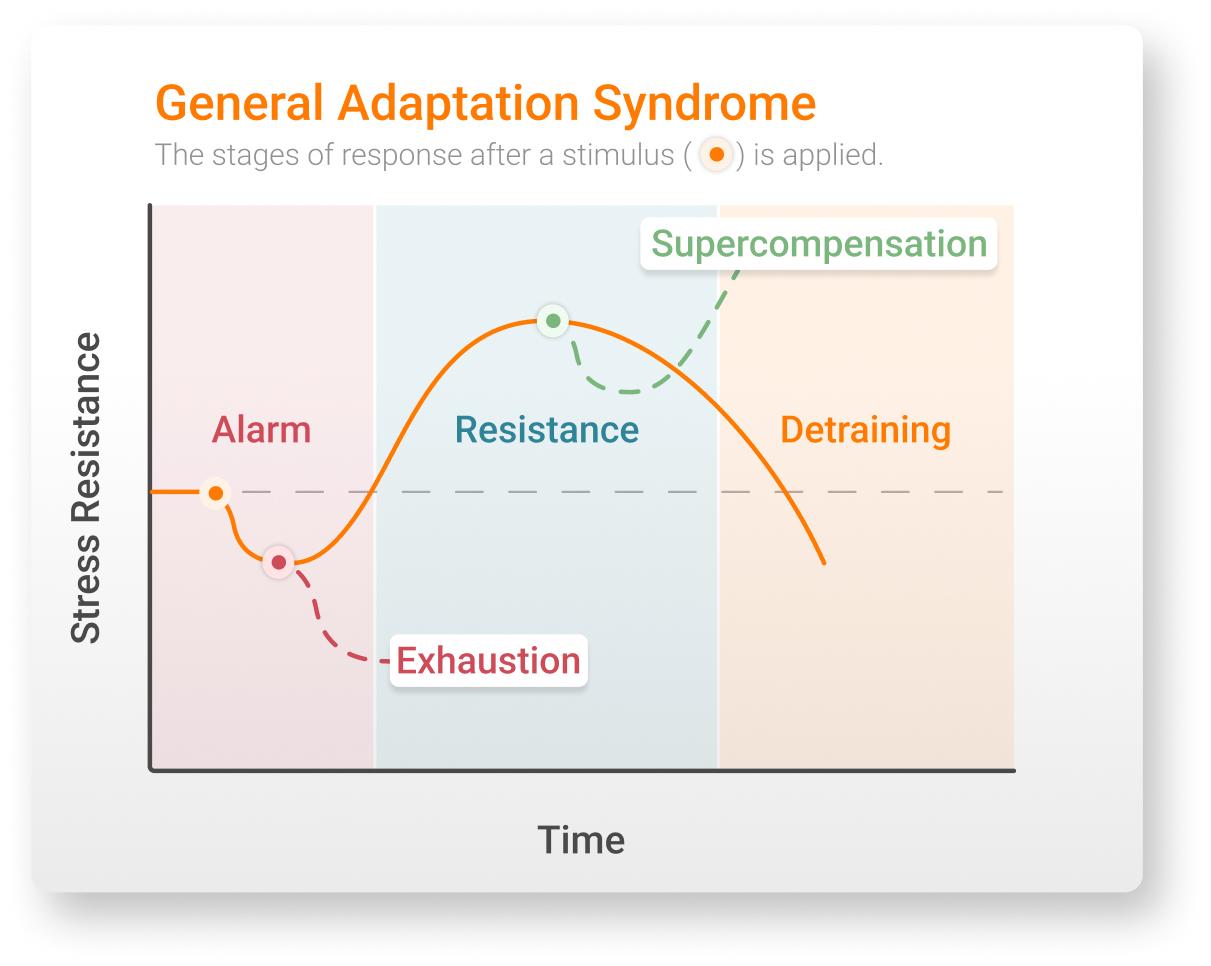
Athletes often respond differently to similar stimuli based on training age and responsiveness, requiring practitioners to monitor each athlete individually.
Athletes often respond differently to similar stimuli based on training age and responsiveness, requiring practitioners to monitor each athlete individually. By quantifying volume, intensity and load across an entire program, practitioners using platforms like BridgeAthletic can identify training trends and help manage the risk of overtraining or excessive fatigue.
Tapering
Tapering is the planned reduction in training load before competition, typically through reduced volume while maintaining sufficient intensity to preserve previously developed physical qualities. The aim is to reduce accumulated fatigue while minimizing declines in physical fitness.
Objective testing can help quantify the athlete’s response throughout this period. For example, systems like ForceDecks and GymAware can be used to monitor changes in jump performance, force production and movement velocity, providing additional context on performance as competition approaches.
Linear Periodization in Practice
A traditional strength and power program can progress through several phases, with training loads and durations depending on the athlete, sport and competition calendar.
| Phase | Intensity | Repetitions | Duration | Emphasis |
| Preparation | 40-80% one-repetition maximum (1RM) | 6-12 | 6-8 weeks | Build training tolerance, general capacity and muscle size |
| Maximum Strength | 80-95% 1RM | 1-6 | 4-6 weeks | Increase maximal force production |
| Power and Peak | Load dependent on exercise | 1-6 | 1-4 weeks | Express force at higher velocities and prepare for competition |
| Transition | Low, less structured | Variable | 2-4 weeks | Recover before the next cycle |
These ranges are general examples, not prescriptions. Individualize loading to the athlete and training context.
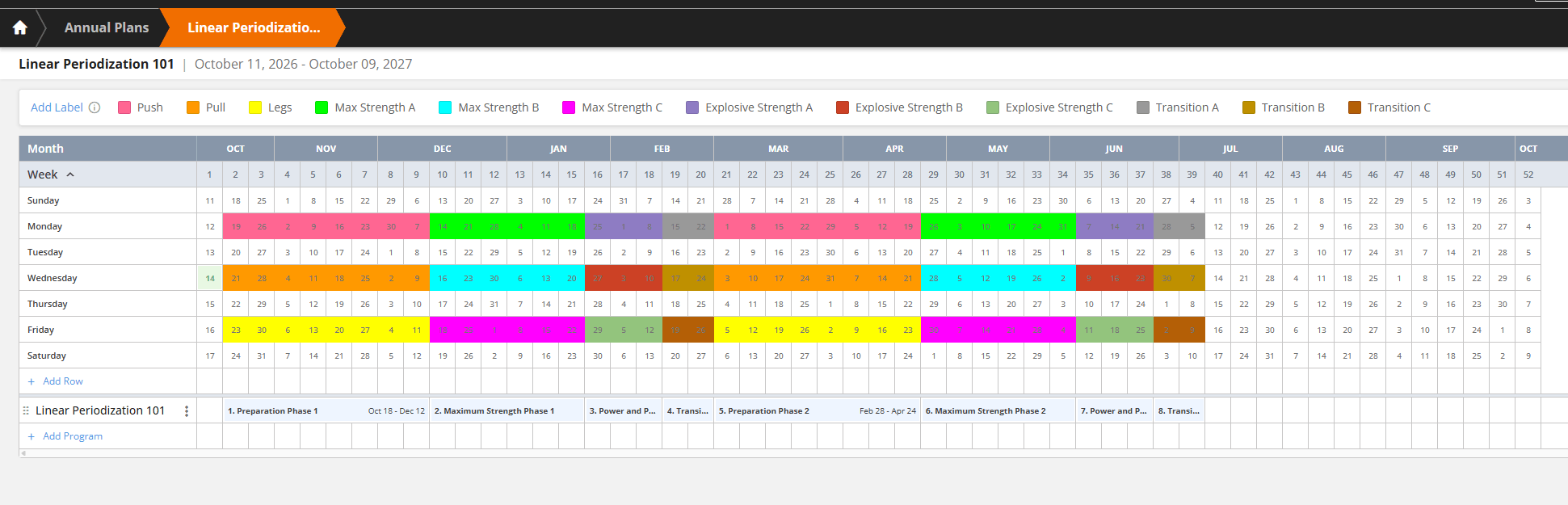
Applying linear periodization as a practitioner is simple. Programs start with moderate-to-high volumes at low intensities and gradually reduce volume while increasing intensity. Some cloud- and app-enabled programming platforms, such as BridgeAthletic, enable practitioners to prescribe training loads using absolute load, percentage of body weight, percent difficulty or percentage of 1RM, depending on the goal of each training phase.
Programs start with moderate-to-high volumes at low intensities and gradually reduce volume while increasing intensity.
Progressions, regressions and alternative exercises can also be incorporated directly into workouts, allowing athletes to adjust prescribed movements based on their capabilities or available equipment without requiring practitioners to modify the original program. For example, an athlete who cannot perform a prescribed lift can use a planned substitute without requiring the program to be rewritten.
Velocity-based training (VBT) technologies, such as GymAware, provide an additional layer of feedback to help practitioners determine whether prescribed loads align with the intended training stimulus. By monitoring bar velocity against target velocity zones, practitioners can adjust loads in real time.
If an athlete moves slower than the prescribed range, load may be reduced to maintain the intended stimulus. However, if bar velocity exceeds the target range, load can be increased to ensure training intensity remains appropriate as the athlete adapts.
Who Linear Periodization Suits
Linear periodization can be particularly useful in training environments that allow for predictable progression, especially when working with the following populations:
- Beginners and General Population Clients: Individuals who are new to training or working toward goals like general health, fat loss and muscle gain.
- Mid-Stage Rehabilitation: Individuals who have progressed beyond the early stages of rehabilitation following surgery or injury.
- Athletes with Defined Peaks: Athletes preparing for a specific competition date, such as powerlifters, weightlifters and throwers, who benefit from structured progression, measurable improvements and clear performance targets.
The simplicity of linear periodization can support efficient programming in BridgeAthletic and help practitioners communicate training progress to clients and athletes. Features such as Load Progression View, Training Library and the Annual Planner create repeatable strategies that practitioners can return to and iterate on.
Features such as Load Progression View, Training Library and the Annual Planner create repeatable strategies that practitioners can return to and iterate on.
Takeaway
Linear periodization provides a practical framework for organizing training, progressing from higher volumes and lower intensities toward greater intensity and a defined performance goal. Platforms like BridgeAthletic can help practitioners plan and monitor these progressions, while objective testing provides additional context for adjusting programs based on individual athlete responses.
If you would like to learn more about how BridgeAthletic can support structured programming, training progression and individualized program design, get in touch with our team.
References
- Bompa, T. O., & Buzzichelli, C. A. (2019). Periodization: Theory and methodology of training (6th ed.). Human Kinetics. https://us.humankinetics.com/products/periodization-6th-edition
- Issurin, V. B. (2008). Principles and basics of advanced athletic training. Ultimate Athlete Concepts. https://lida.sport-iat.de/ta/Record/3047619?lng=en
- Zatsiorsky, V. M., Kraemer, W. J., & Fry, A. C. (2021). Science and practice of strength training (3rd ed.). Human Kinetics. https://us.humankinetics.com/products/science-and-practice-of-strength-training-3rd-edition
