Buyer’s Guide to Timing Gates
Available in:
EN
Since their introduction, timing gates have evolved from simple chronometric devices into integrated measurement systems capable of capturing detailed speed and movement characteristics. While earlier systems were often difficult to set up and maintain, modern solutions have removed many of these barriers, improving accessibility and usability in real-world settings.
This article serves as a practical buyer’s guide to timing gates, outlining what practitioners should consider when evaluating systems for speed, agility and return-to-play testing across health and performance environments.
As practitioners’ needs evolve, timing gate systems must adapt accordingly.
As practitioners’ needs evolve, timing gate systems must adapt accordingly. The SmartSpeed range is one example of this progression, with ongoing development introducing new systems and features such as 360° LED displays, expanded drill options and improved software functionality to support both testing and training applications.
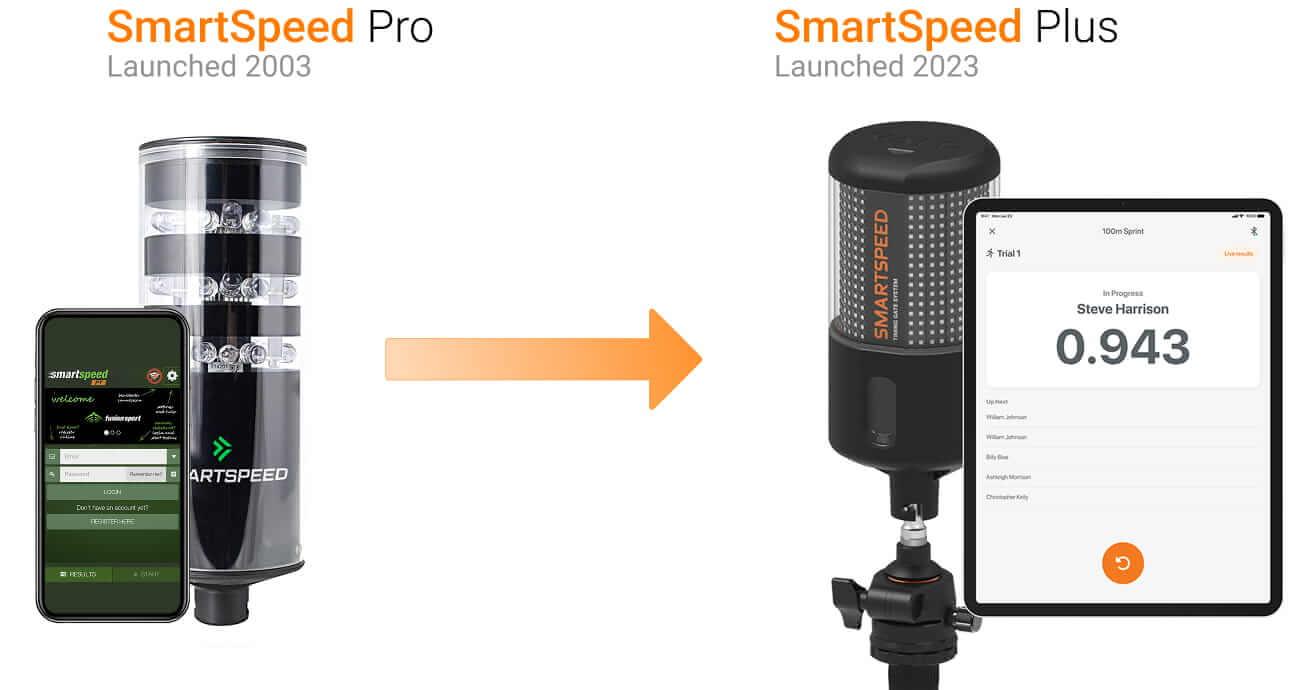
SmartSpeed’s evolution – from the original SmartSpeed Pro to the current SmartSpeed Plus.
If you are new to timing gates and want to understand the fundamentals of speed testing and its applications, check out Timing Gates 101 for a comprehensive introduction.
For practitioners already familiar with the value of timing gates, the following sections outline key technological, environmental and population considerations for selecting a system that best fits your needs. Specifically, this article addresses the following questions:
- Who will you be testing?
- What testing capabilities do you need?
- What data do you need?
- What features are most valuable to you?
- Where will you be testing your athletes?
Who Will You Be Testing?
Although timing gates have previously been reserved for research purposes and elite athlete assessment, they are now being used with patients, older adults and active individuals to improve training quality across the health and performance spectrum.
Modern timing gate technologies, such as SmartSpeed, support a wide range of applications – from profiling of Olympic sprinters to gait assessments for fall risk in older adults. The versatility these systems provide allows practitioners to apply elite training and rehabilitation practices across diverse populations.
Modern timing gate technologies…[allow] practitioners to apply elite training and rehabilitation practices across diverse populations.
The table below outlines who you might be testing, the types of assessments commonly used and the insights timing gates can provide:
| Populations | Assessment Examples | Insights |
| Sprinting Athletes | Force-velocity profiles, 40m acceleration, 10m flying sprint, repeated sprint ability | Maximum speed, acceleration profile and speed endurance |
| Team Sport Athletes | Change of direction (COD) drills, reactive agility drills, 30m acceleration | COD capacity, COD deficit (CODD), acceleration profile and sport-specific agility |
| Older Adults | 10m gait speed, timed up and go (TUG) | Average gait speed, fall risk and independence |
| Rehabilitation | Repeated sprint ability, lap timing, COD drills, agility | Return-to-play readiness informed by speed, agility and endurance |
While timing gate systems are often purchased for speed and agility testing, access to additional assessment options at no extra cost can expand service offerings and improve return on investment (ROI). Practitioners can use timing technology to support new assessments and services beyond their initial use case.
What Testing Capabilities Do You Need?
A timing gate’s true value lies in quickly and reliably testing a range of speed qualities. This testing capacity is commonly derived from the following variables:
- Accuracy
- Ease of setup
- Drill libraries
Accuracy
Although most timing gates use infrared light beams as an athlete detection method, not all technologies are created equal. Dual-beam setups have previously been considered the gold standard for accuracy (Haugen et al., 2014); however, they can be difficult to use and delay setup times.
SmartSpeed utilizes a single beam to enhance usability while maintaining performance comparable to dual-beam systems, thanks to its built-in Error Correction Processing (ECP) technology (Earp & Newton, 2012). ECP adjusts for lead or trail limb beam breaks so the athlete’s center of mass is captured as the true signal (Altmann et al., 2018).
SmartSpeed utilizes a single beam to enhance usability while maintaining performance comparable to dual-beam systems…
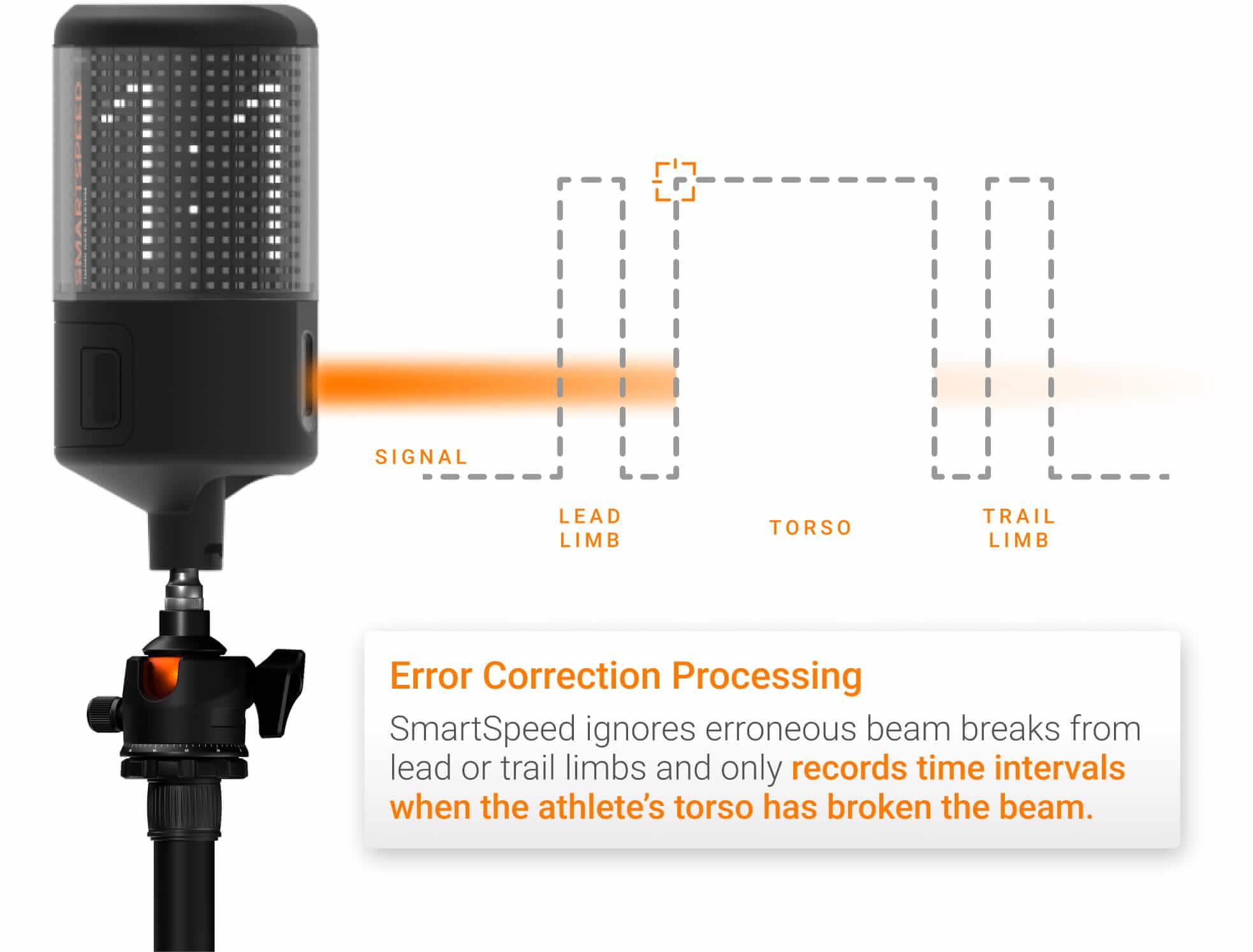
Importantly, ECP is a feature that can be turned on or off in the SmartSpeed iOS app, allowing practitioners to compare performances assessed by other timing gates that do not have ECP.
Ease of Setup
Smooth and efficient technology setup is necessary for busy practitioners working in health and performance. App-enabled wireless systems, such as SmartSpeed Plus, enable practitioners to set up the gates, open the app and begin testing in minutes. Its intuitive interface lets practitioners switch gate order, change lane numbers and toggle between test types with the tap of a finger.
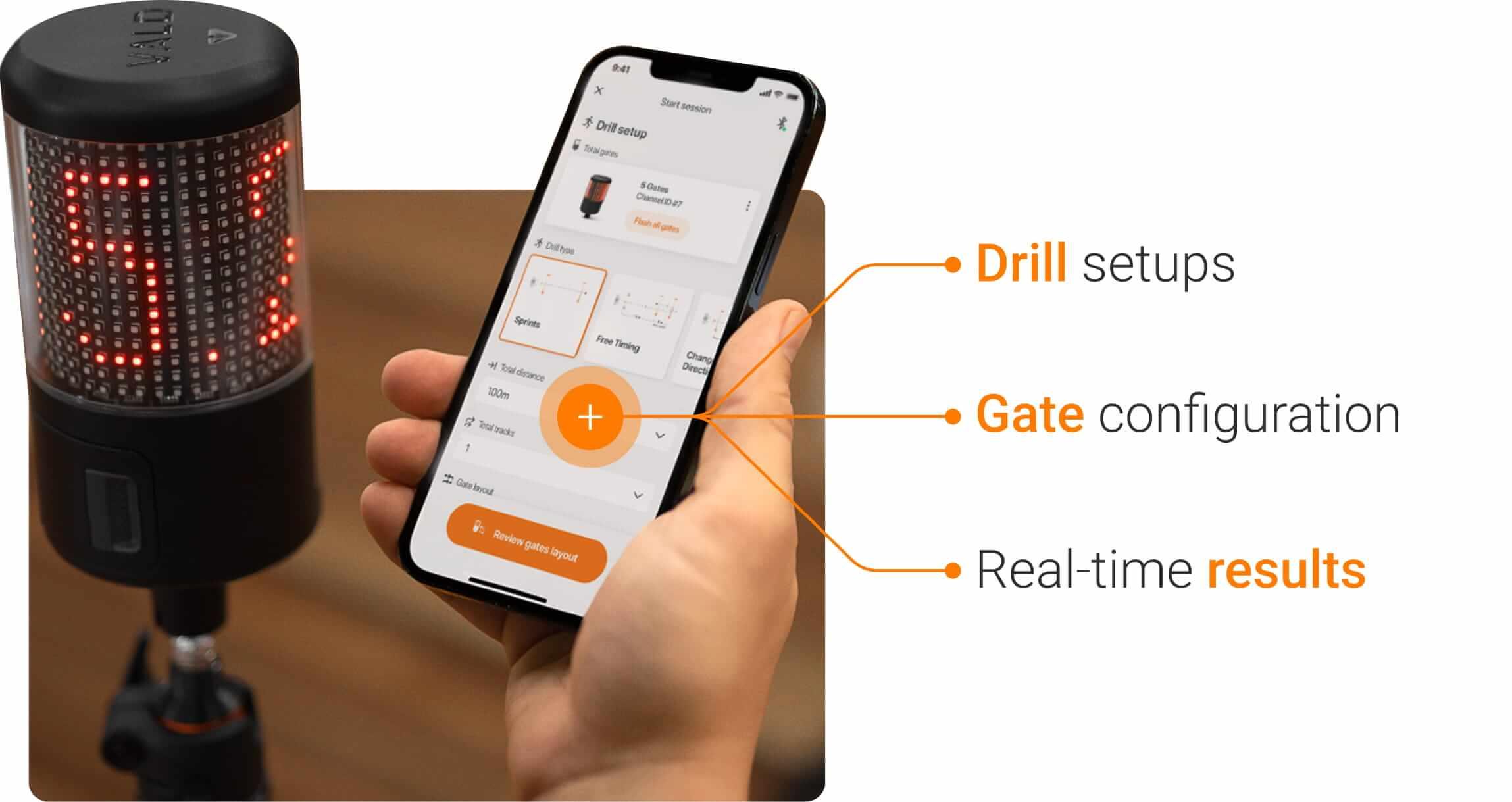
UI features and options within the SmartSpeed Plus app.
In addition to a dedicated Client Success team, Quick Start Guides are available for all VALD systems to help practitioners optimize setup, configuration and assessments.
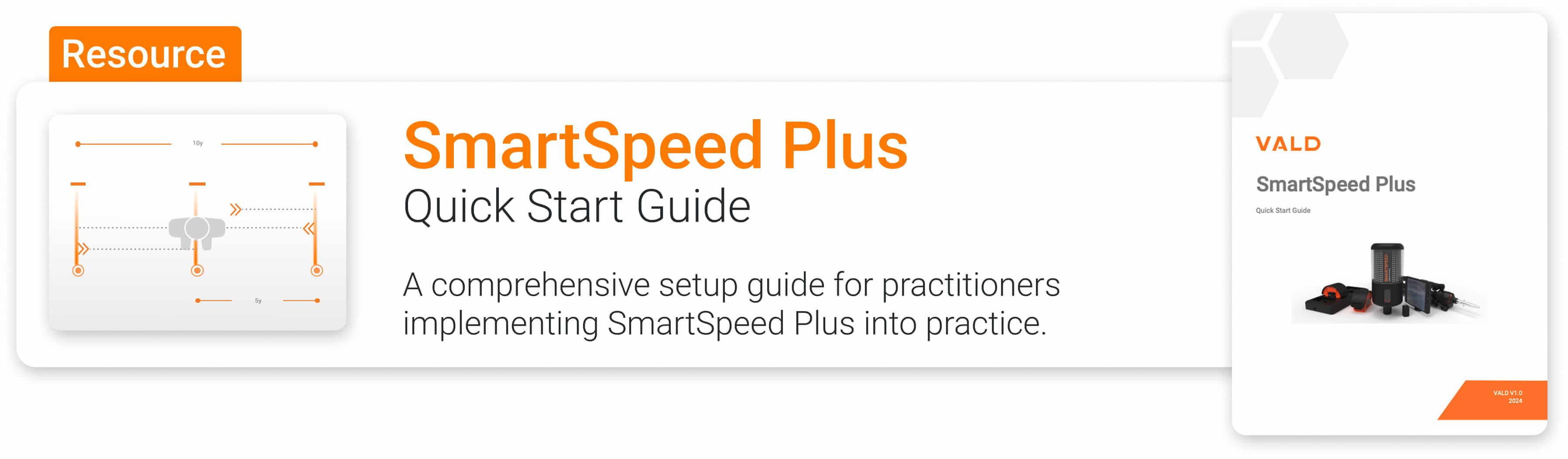
Versatile technologies support simple setup and maneuverability, allowing practitioners to assess multiple speed qualities within the same testing or training session, maximizing efficiency when testing groups of any size.
Drill Libraries
Advanced timing systems integrate reliable, simple technologies to quantify and assess acceleration, maximum velocity, curvilinear sprinting, speed endurance, COD and agility – six key components of speed performance.
…[timing gates should] assess acceleration, maximum velocity, curvilinear sprinting, speed endurance, COD and agility…
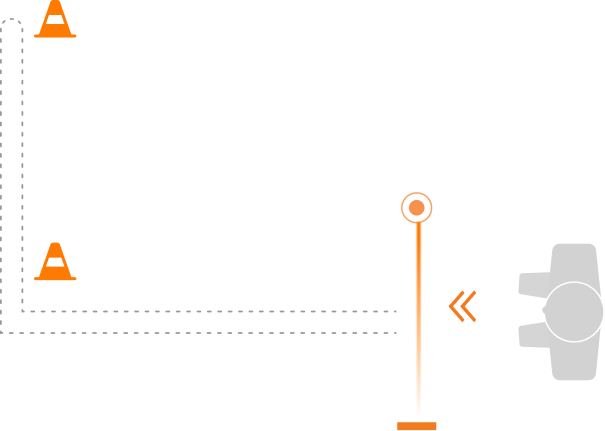
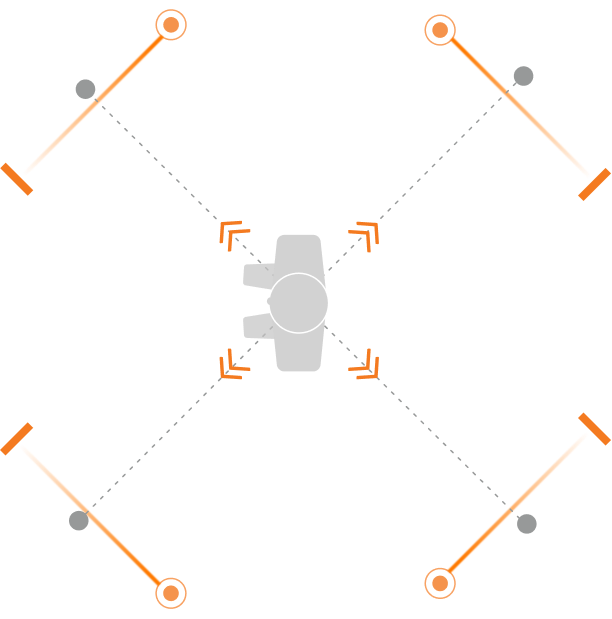
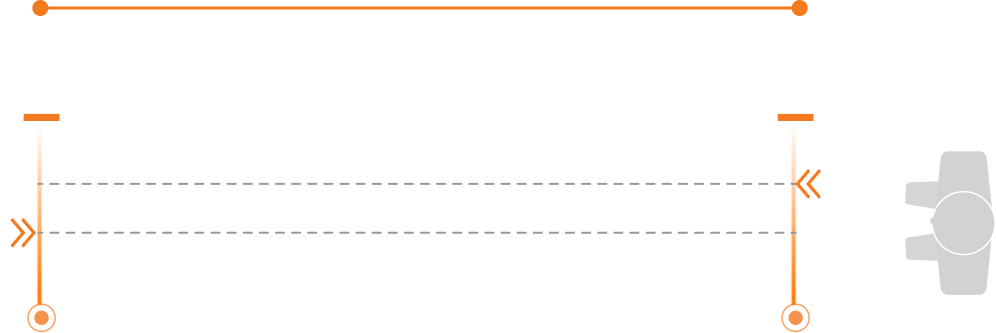
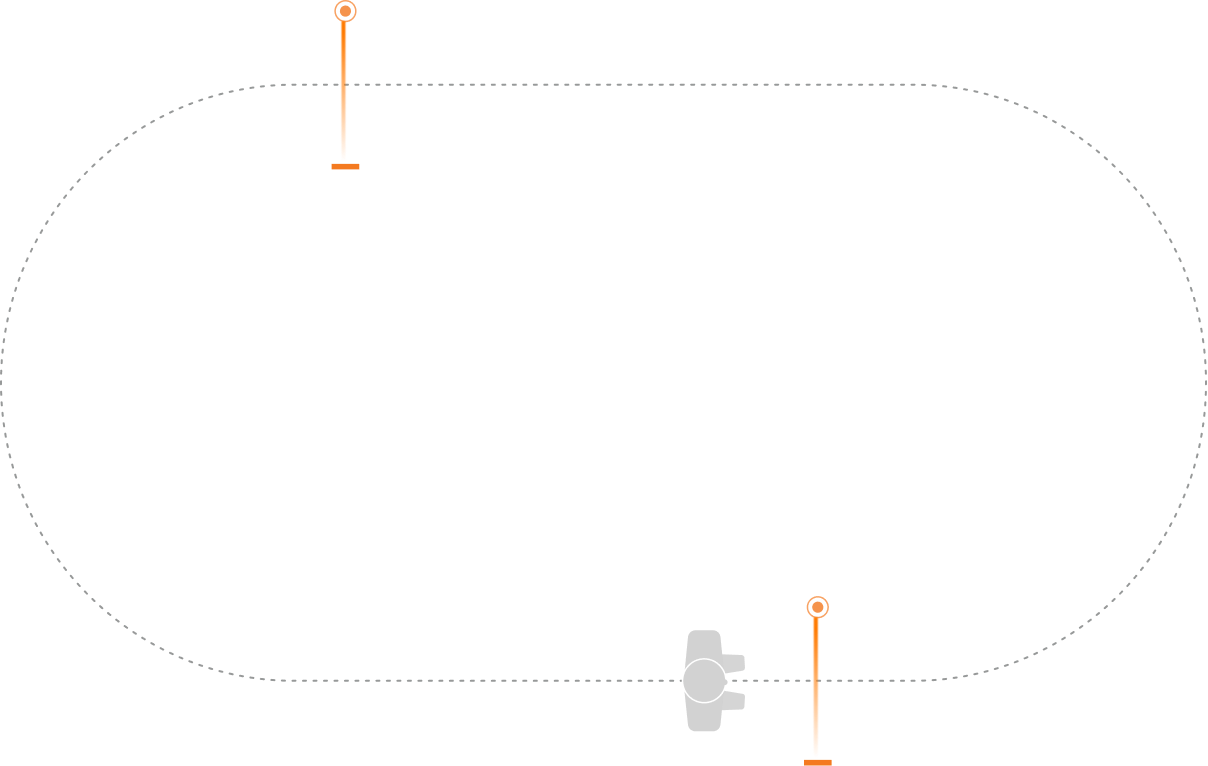
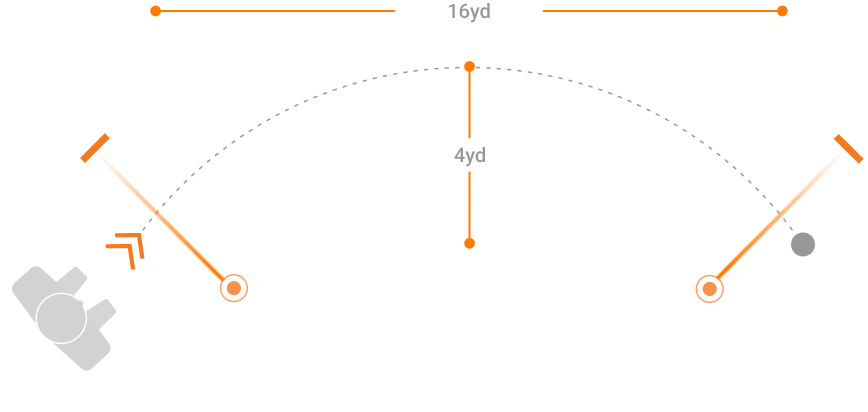
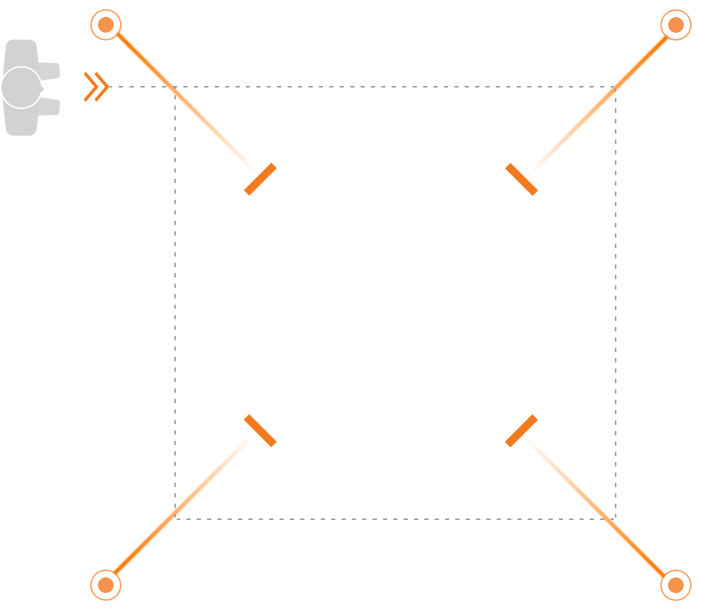
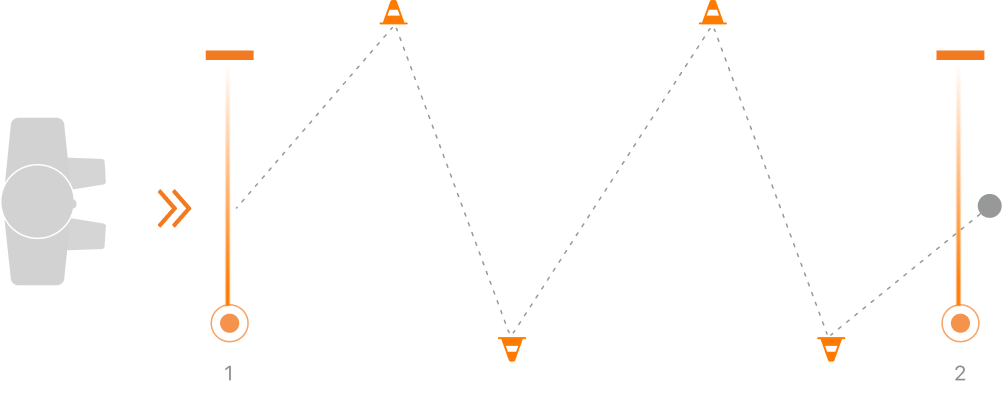
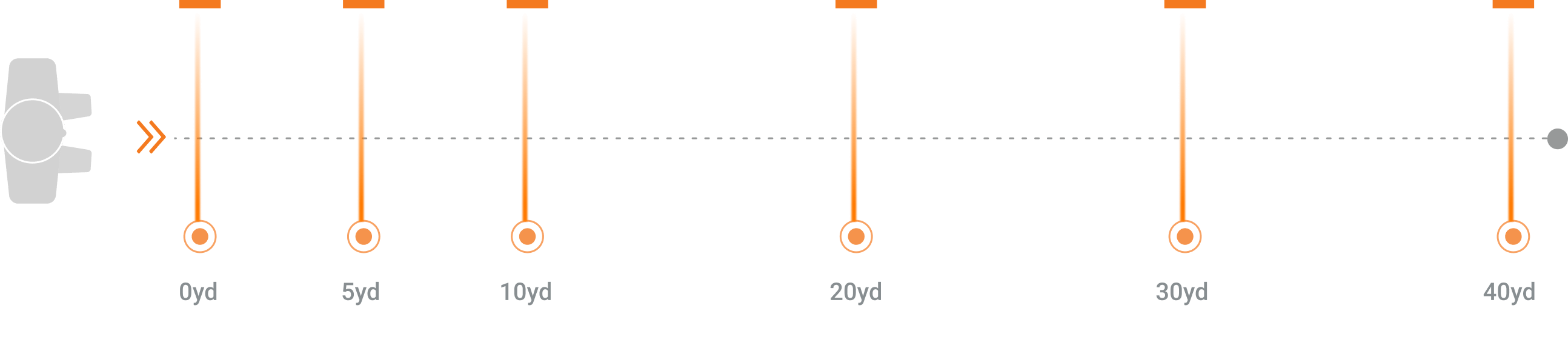
SmartSpeed Plus offers 11 different drill types, along with custom drills, to help practitioners optimize the tests and assessments they routinely use with their athletes. Simple drills, such as one-way timing options, allow practitioners to assess acceleration, maximum velocity and curvilinear speed capabilities, while options like cut drills, grid drills and traffic light sprints assess COD and reactive agility.
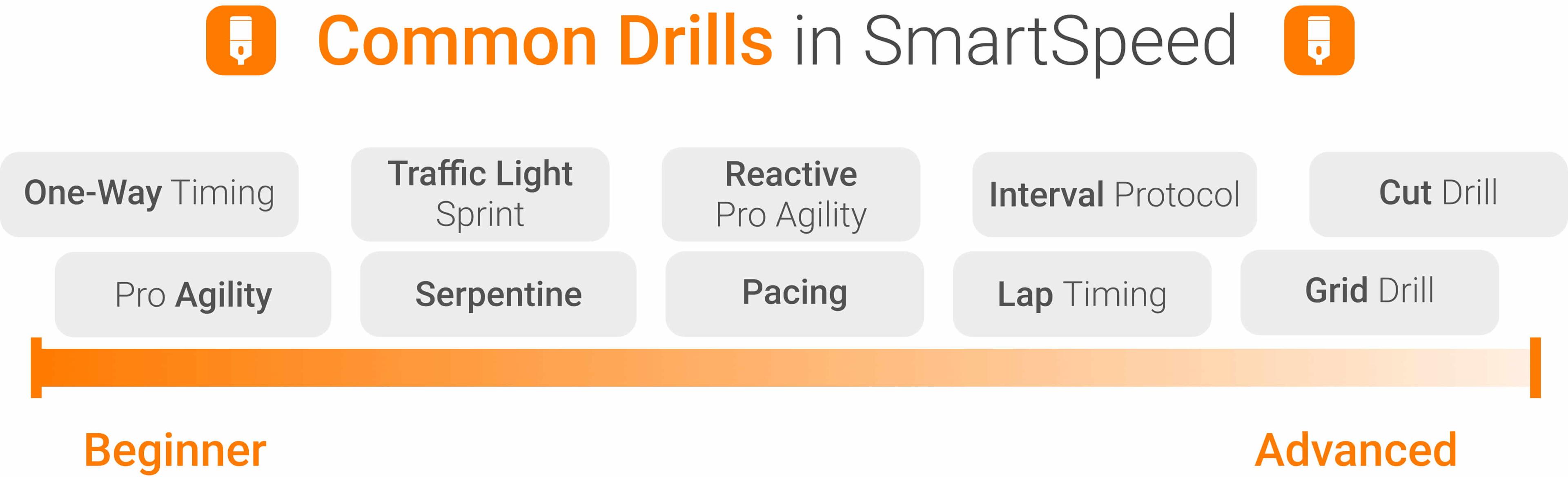
Practitioners can progress their application of timing gate technology as they become more comfortable with the system, allowing service offerings and performance insights to expand with greater familiarity.
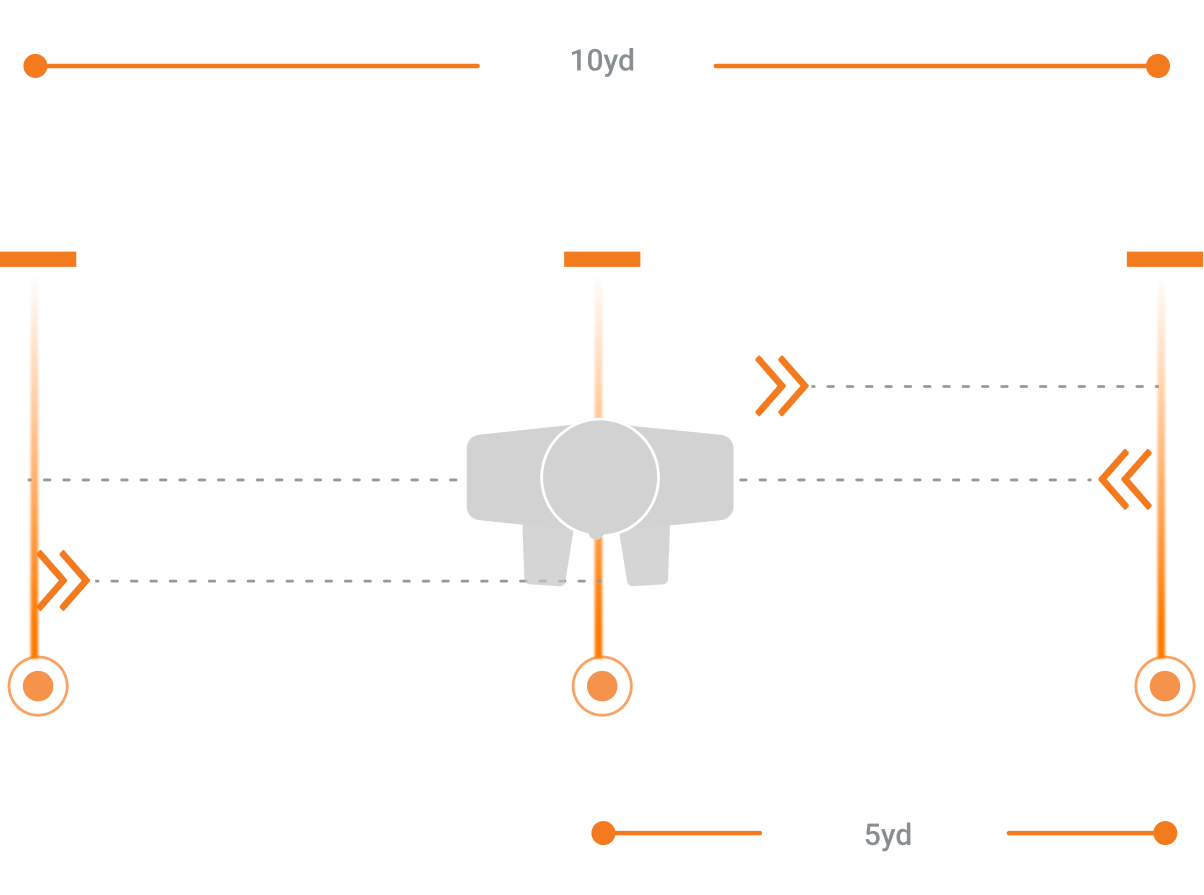
The table below outlines available SmartSpeed drills, the speed components each drill is designed to assess and corresponding drill illustrations:
| Drills |
Speed Components |
Drill Illustrations |
| Cut Drills |
| 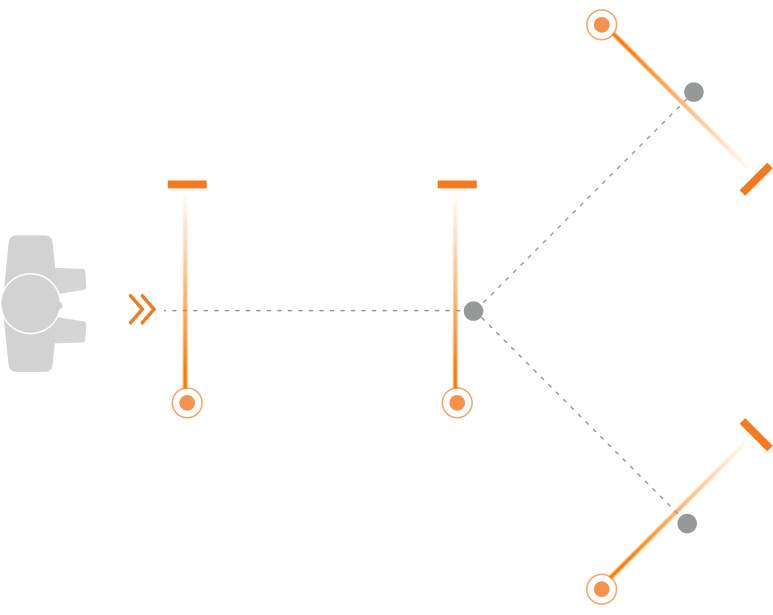 |
| Free Timing |
|  |
| Grid |
|  |
| Interval Protocol |
|  |
| Lap Timing |
|  |
| One-Way Timing |
|  |
| Pacing |
|  |
| Serpentine |
|  |
| Traffic Light Sprint |
|  |
| Pro Agility |
|  |
| Reactive Pro Agility |
|
To explore the practical application of speed testing in more detail, refer to our Practitioner’s Guide to Speed Testing.
What Data Do You Need?
Effective data collection and implementation depend on two primary factors:
- Data options (available metrics)
- Data interpretation (available analysis options)
Data Options
When compared to other systems (e.g., force plates or dynamometers), timing gate data is relatively simple. All metrics provided by devices like SmartSpeed can be grouped into three core categories: time, distance and velocity.
| Category | Metric | Unit of Measurement |
| Time |
|
|
| Distance |
|
|
| Velocity |
|
|
By offering multiple metrics and measurement options, practitioners can assess the tests they find most valuable using the metrics and units that provide the most meaning for their athletes. Using metrics such as average velocity and split times, SmartSpeed enables practitioners to profile acceleration, assess maximal speed capabilities and analyze sprint performance with greater clarity.
Understanding the metrics and outputs that each system provides enables practitioners to make more informed decisions about the timing gate technology that best suits their practice needs and workflows.
Data Interpretation
The simplicity of timing gate measurements allows practitioners to efficiently assess speed performance without requiring extensive knowledge. SmartSpeed reports intuitive outputs that inform overall speed performance without overwhelming practitioners with excessive detail.
Practitioners often vary in their data analysis capabilities, which is why VALD provides multiple options that meet all interpretation styles:
- Automated Visualization: The SmartSpeed app and SmartSpeed Plus timing gates display athlete split times and velocities after each test, while free applications like MoveHealth allow athletes to access their performance data safely and remotely. For practitioners who want improved engagement and competition, simple visualizations can support athlete buy-in and enhance the overall experience.
- Athlete Ranking and Analysis: All SmartSpeed data is automatically uploaded to VALD Hub, where practitioners can group athletes and teams in Group Dashboards or Leaderboards, and generate individual reports that visualize SmartSpeed data alongside other VALD systems such as ForceDecks and NordBord.
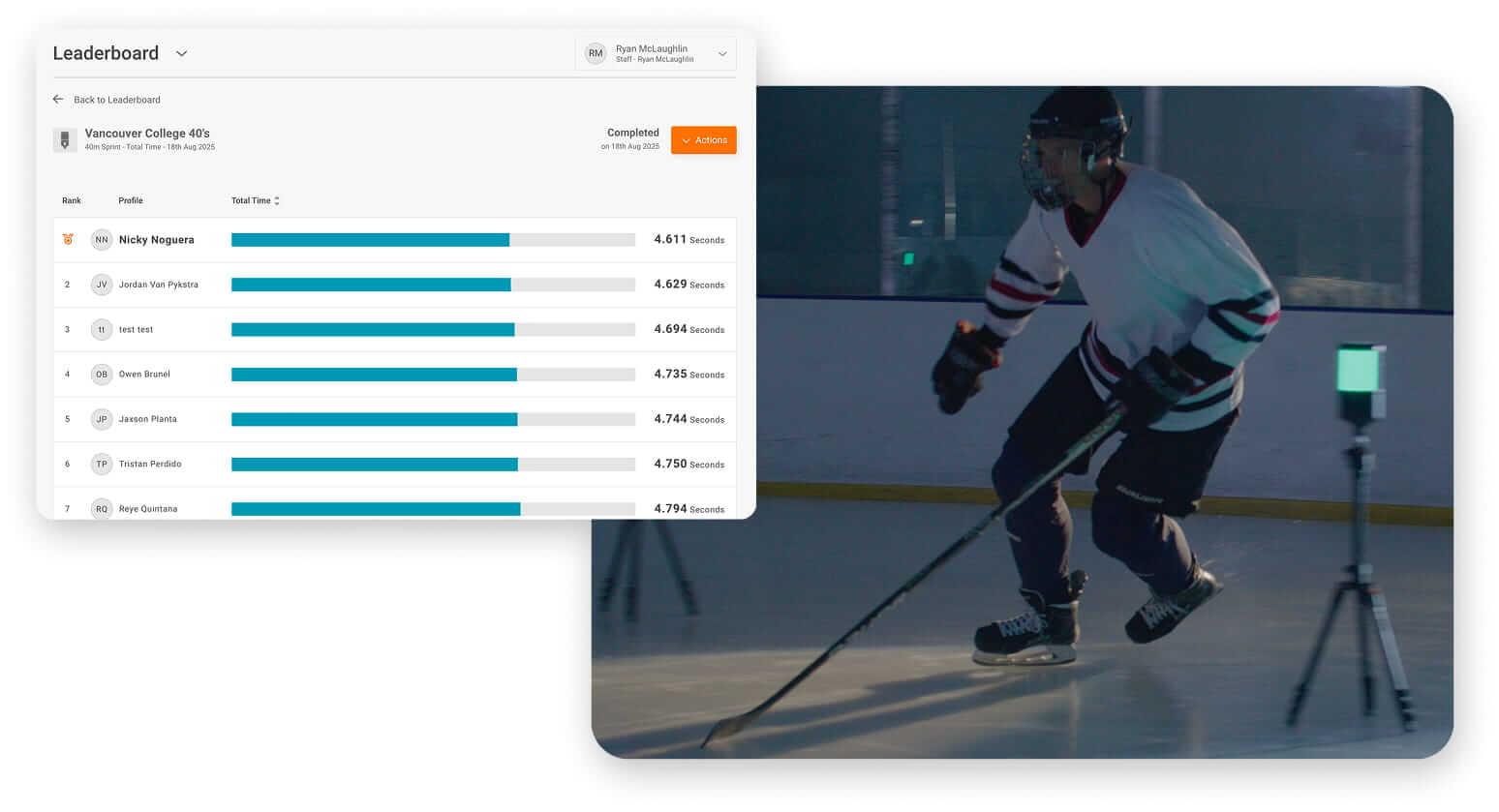
Results from a custom, hockey-specific speed test using SmartSpeed Plus, visualized in Leaderboard to drive athlete engagement.
- Application Programming Interfaces (APIs) and valdr: VALD’s APIs allow data to be uploaded to different athlete management systems (AMS) for in-depth analysis and comparison with systems outside of the VALD ecosystem. Similarly, valdr enables practitioners to export SmartSpeed data into R for detailed statistical analysis.
…practitioners [can engage] with SmartSpeed data in a way that suits their workflow and expertise…
Together, these options give practitioners the flexibility to work with SmartSpeed data in a way that suits their workflow and expertise – whether for real-time feedback, long-term monitoring or deeper performance insights.
What Features Are Most Valuable to You?
Although testing options, metrics and accuracy are “must-haves” for timing gate technologies, practitioners are unlikely to use their timing systems if they are burdensome, ineffective or clunky to operate. Accuracy underpins data quality, but system features determine how easily and consistently that data can be captured in real-world settings.
Timing gate technologies should be built with practical use in mind, offering reliable connectivity, flexible gate setup and high-volume capabilities that support efficient and repeatable data collection.
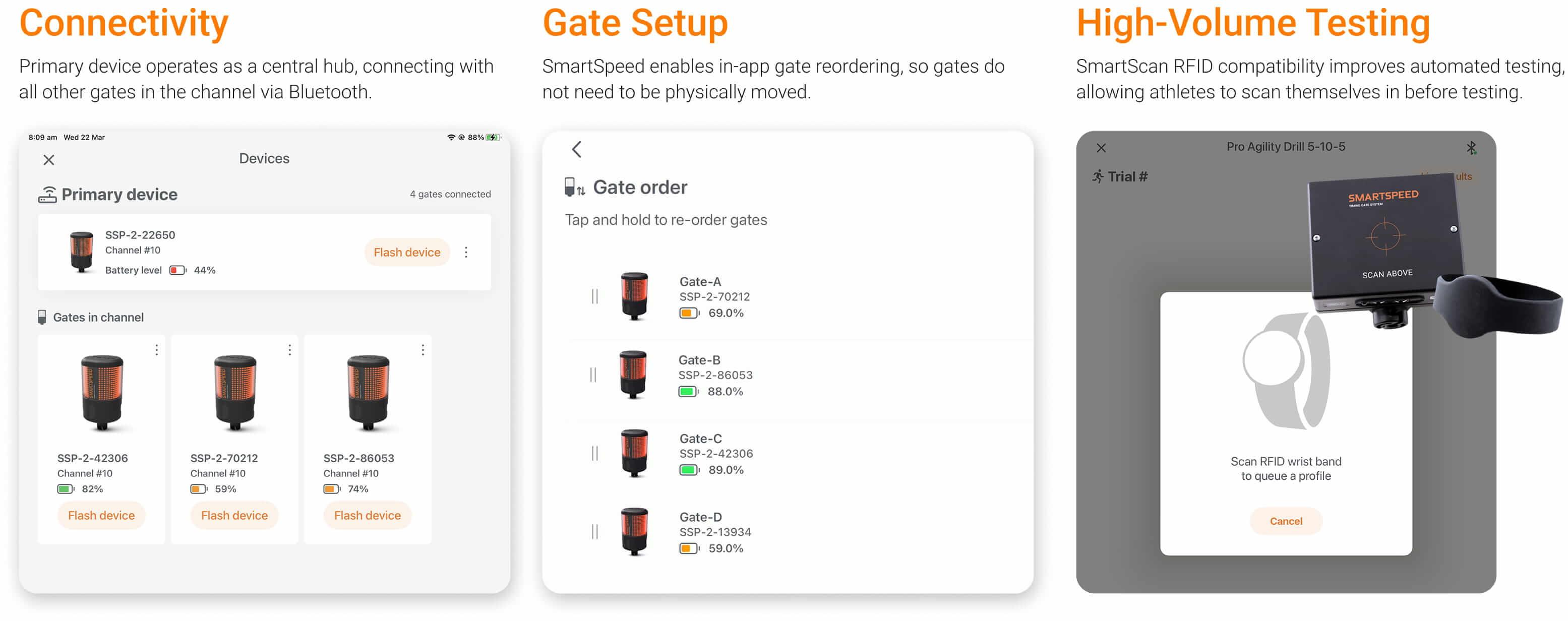
SmartSpeed UI features designed to improve testing consistency and data quality.
For example, systems like SmartSpeed Plus are supported by a user-friendly app and cloud-based tracking that streamlines testing and data management. These technologies focus on profile management and real-time results, while platforms such as VALD Hub support longitudinal tracking and centralized reporting to create a seamless experience for both athletes and practitioners.
[SmartSpeed focuses] on profile management and real-time results…to create a seamless [testing] experience for both athletes and practitioners.
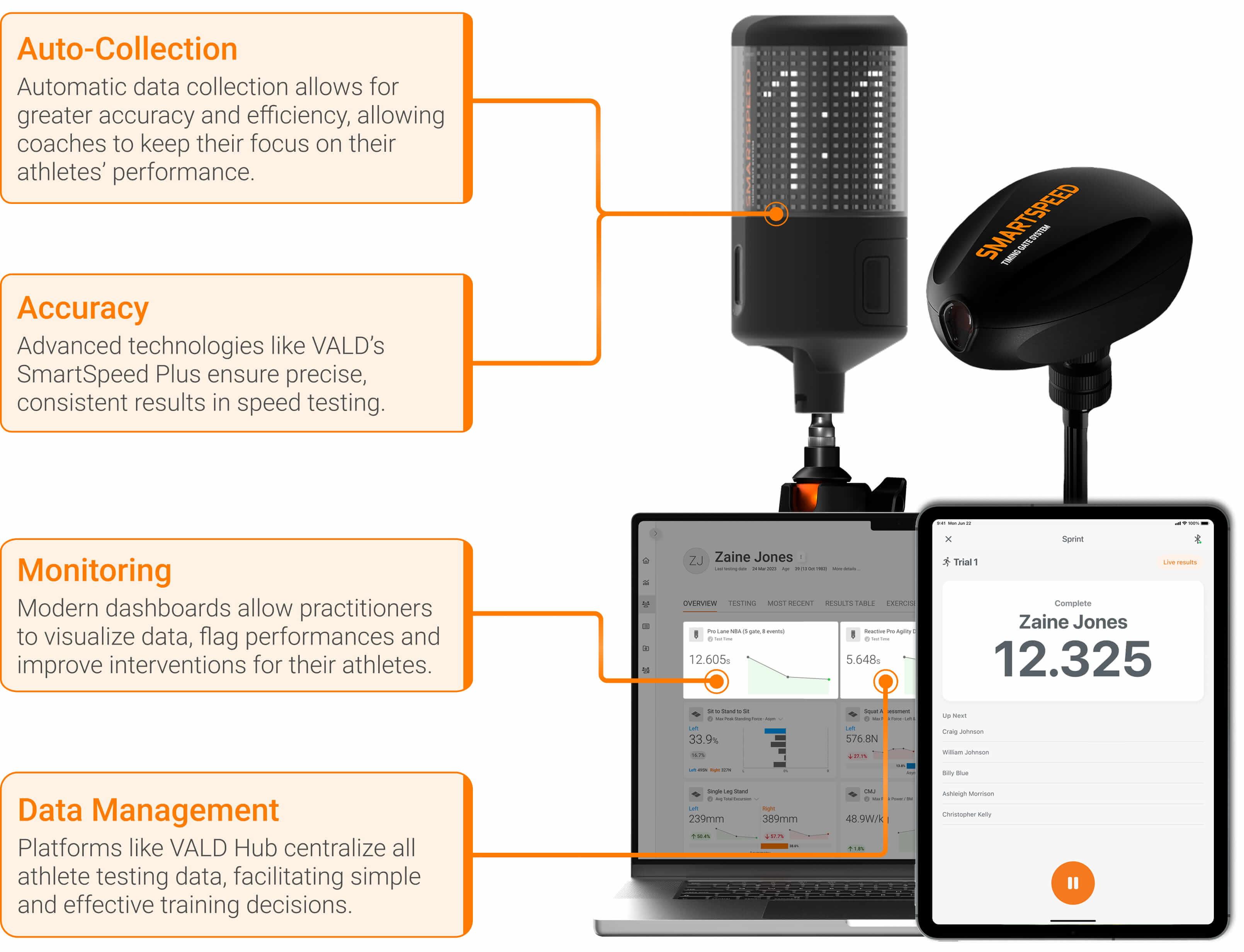
Key SmartSpeed features designed to support accurate, efficient testing.
Together, SmartSpeed’s hardware and software features support practitioners across a variety of testing demands – combining intuitive design with performance-driven functionality.
In addition to usability features, basic product specifications help ensure timing systems meet the practical requirements of different testing environments. The table below outlines key features and specifications for the SmartSpeed range:
| Features and Specifications |
SmartSpeed Plus
|
SmartSpeed Dash
|
| Custom Drills in VALD Hub | Yes | Yes |
| Measurement Accuracy | 1/1000s | 1/1000s |
| Gate-to-Gate Range | ~120m | ~50m |
| Battery Life | 8-10 hours | 8-10 hours |
| Charging Method | Replaceable, rechargeable battery packs with 4-battery fast-charging dock | 5V charging cable directly to timing unit |
| Gate Display and Feedback | 360° LED feedback | N/A |
| Accessory Compatibility | SmartScan (RFID), SmartPad, SmartShoxx, Jump Mat | SmartScan (RFID), SmartPad SmartShoxx, Jump Mat |
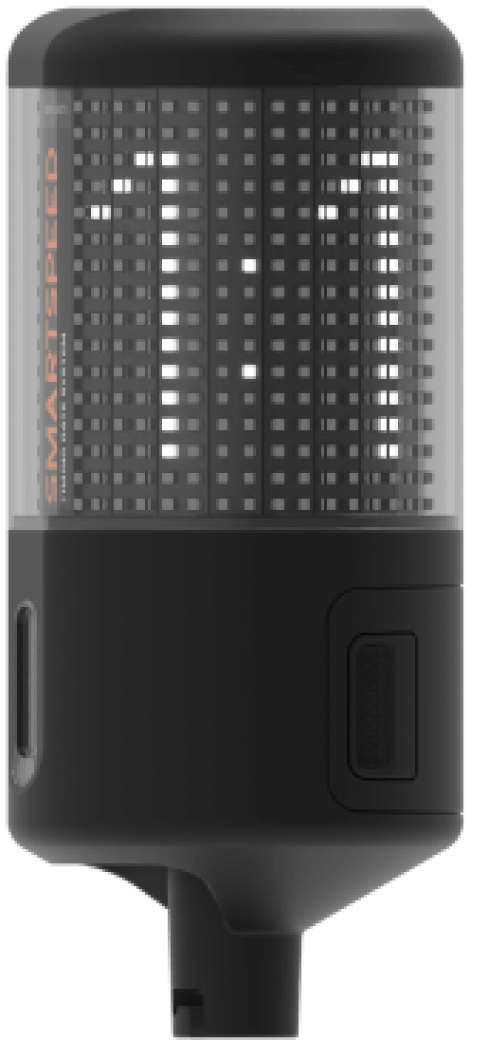
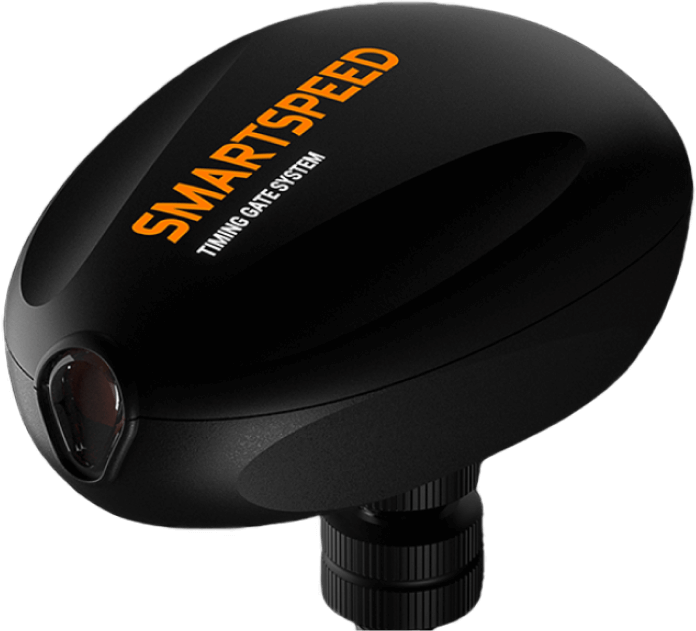
Want more details? Check out the full SmartSpeed specifications.
Where Will You Be Testing Your Athletes?
Speed testing can take place on fields, courts, ice or mobile settings. A reliable timing gate system should integrate seamlessly into existing operations, remain easy to use and perform consistently across varied conditions.
A reliable timing gate system should integrate seamlessly into existing operations, remain easy to use and perform consistently across varied conditions.
Practitioners should consider the following when selecting a system for their specific setting and workflow:
- Lightweight and transportable systems
- Durable construction and build quality for frequent setup
- Weather resistance for outdoor use
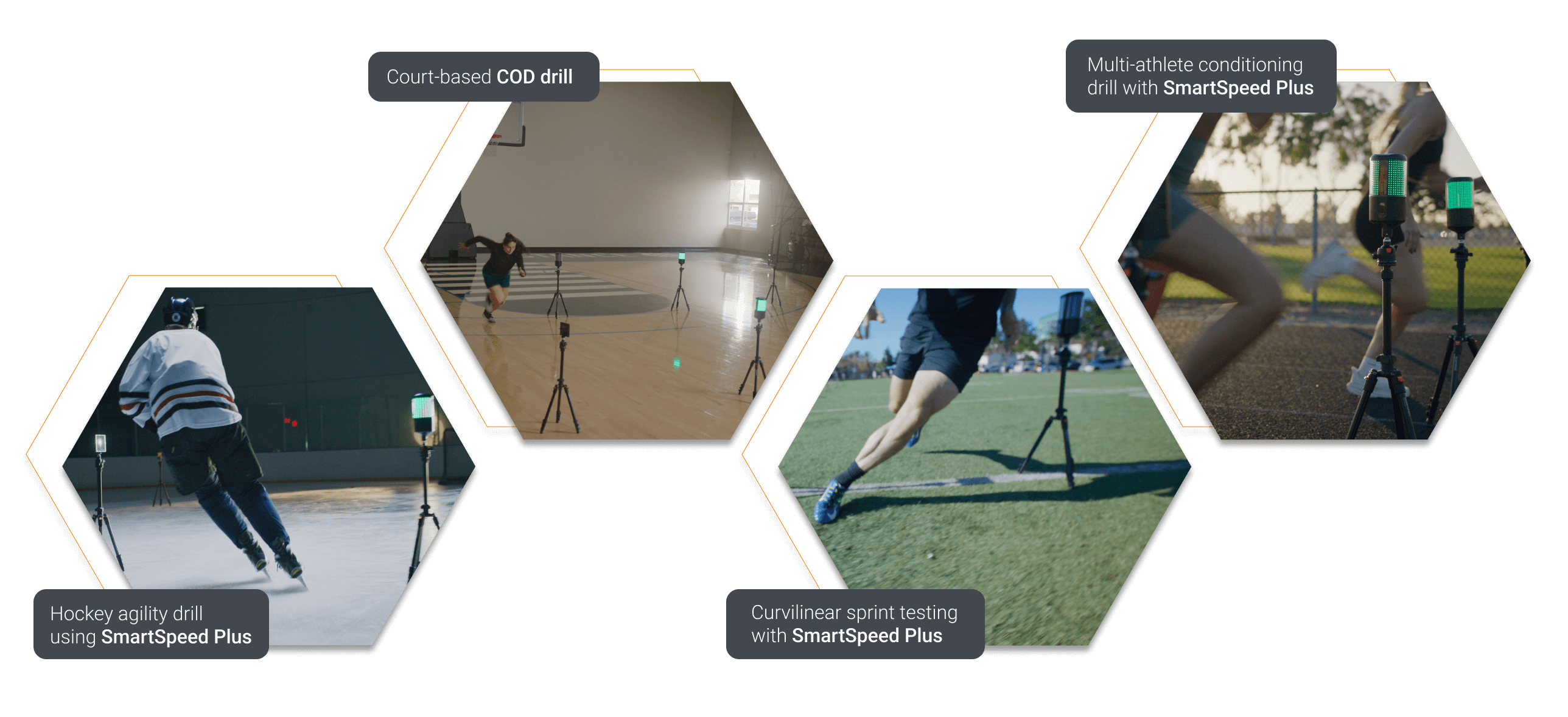
Timing gates application can vary by environment, making setup and durability key considerations.
For example, modern timing systems like SmartSpeed Plus meet these demands with a hard, protective travel case and fold-down tripods to support efficient transport and setup across environments. SmartSpeed is also designed to withstand light rain, high winds and a wide range of temperatures, enabling reliable use both indoors and outdoors.
Pricing, Support and Long-Term Value
When comparing timing gate options, it is essential to understand the pricing model – especially what is included and what is not. Support structures, software licensing, upgrades, data and reporting access, warranty coverage and ongoing education opportunities should all factor into purchasing decisions.
Support structures, software licensing, upgrades, data and reporting access, warranty coverage and ongoing education opportunities should all factor into purchasing decisions.
Key questions to evaluate:
- What is included in the base price?
- Are there any ongoing licensing fees?
- Are software updates and new features included, or are they an additional cost?
- What type of warranty coverage is provided?
- What support and training resources are available?
While some systems may appear cost-effective upfront, they may not include critical components such as ongoing support, access to new features or practitioner education. These hidden costs can impact long-term value and usability. In turn, the right choice balances budget constraints with the functionality required for long-term use.
VALD offers a transparent, all-inclusive pricing model for SmartSpeed and all VALD systems. Upon purchase, practitioners receive SmartSpeed Plus units, reflectors, tripods, a hard-shell rolling travel case, rechargeable batteries and a fast-charging dock for their new set of gates.
…practitioners receive SmartSpeed Plus units, reflectors, tripods, a hard-shell rolling travel case, rechargeable batteries and a fast-charging dock for their new set of gates.
Beyond hardware, each VALD system includes a subscription that provides comprehensive access to the following key resources:
- Unlimited access to system applications, VALD Hub and MoveHealth
- Unlimited access to new feature releases and software updates
- Unlimited staff and athlete profiles, and data storage
- Unlimited warranty coverage
- Unlimited support
- Unlimited training
- Unlimited access to VALD Resources including VALD Academy, Practitioner’s Guides, VALDCast and more
Flexible payment options are also available to suit different professional needs and make high-quality technology more accessible across a range of practice types.

This subscription model provides peace of mind, knowing that your timing gate systems will be supported and that your team will receive the education and training needed to maximize system utilization.
[VALD’s all-inclusive pricing model] provides peace of mind, knowing that your timing gate systems will be supported and that your team will [be able]…to maximize system utilization.
Choosing the right system means more than just selecting hardware – it means choosing a technology partner committed to your long-term success.
Making the Right Decision
Selecting the right timing gate system requires careful consideration of your population, testing needs, data requirements and environment in which the system will be used. The ideal system should deliver accurate and reliable data, support a wide range of testing and training protocols and be backed by a company committed to ongoing education, support and development.

SmartSpeed timing gates have been designed with these needs in mind, providing practitioners with an advanced, easy-to-use system that goes beyond timing alone, supporting training outcomes, athlete engagement and centralized data management.
By considering key user-oriented questions around accuracy, setup, feature design and durability, practitioners can confidently choose a system that meets current demands and scales with future growth.
To explore whether SmartSpeed is the right fit for your practice, contact us for pricing, demonstrations and more.
References
- Altmann, S., Ringhof, S., Becker, B., Woll, A., & Neumann, R. (2018). Error-correction processing in timing lights for measuring sprint performance: Does it work? International Journal of Sports Physiology and Performance, 13(10), 1400–1402. https://doi.org/10.1123/ijspp.2017-0596
- Earp, J. E., & Newton, R. U. (2012). Advances in electronic timing systems: Considerations for selecting an appropriate timing system. Journal of Strength and Conditioning Research, 26(5), 1245–1248. https://doi.org/10.1519/jsc.0b013e3182474436
- Haugen, T. A., Tønnessen, E., Svendsen, I. S., & Seiler, S. (2014). Sprint time differences between single- and dual-beam timing systems. Journal of Strength and Conditioning Research, 28(8), 2376–2379. https://doi.org/10.1519/jsc.0000000000000415
